
Blog Details

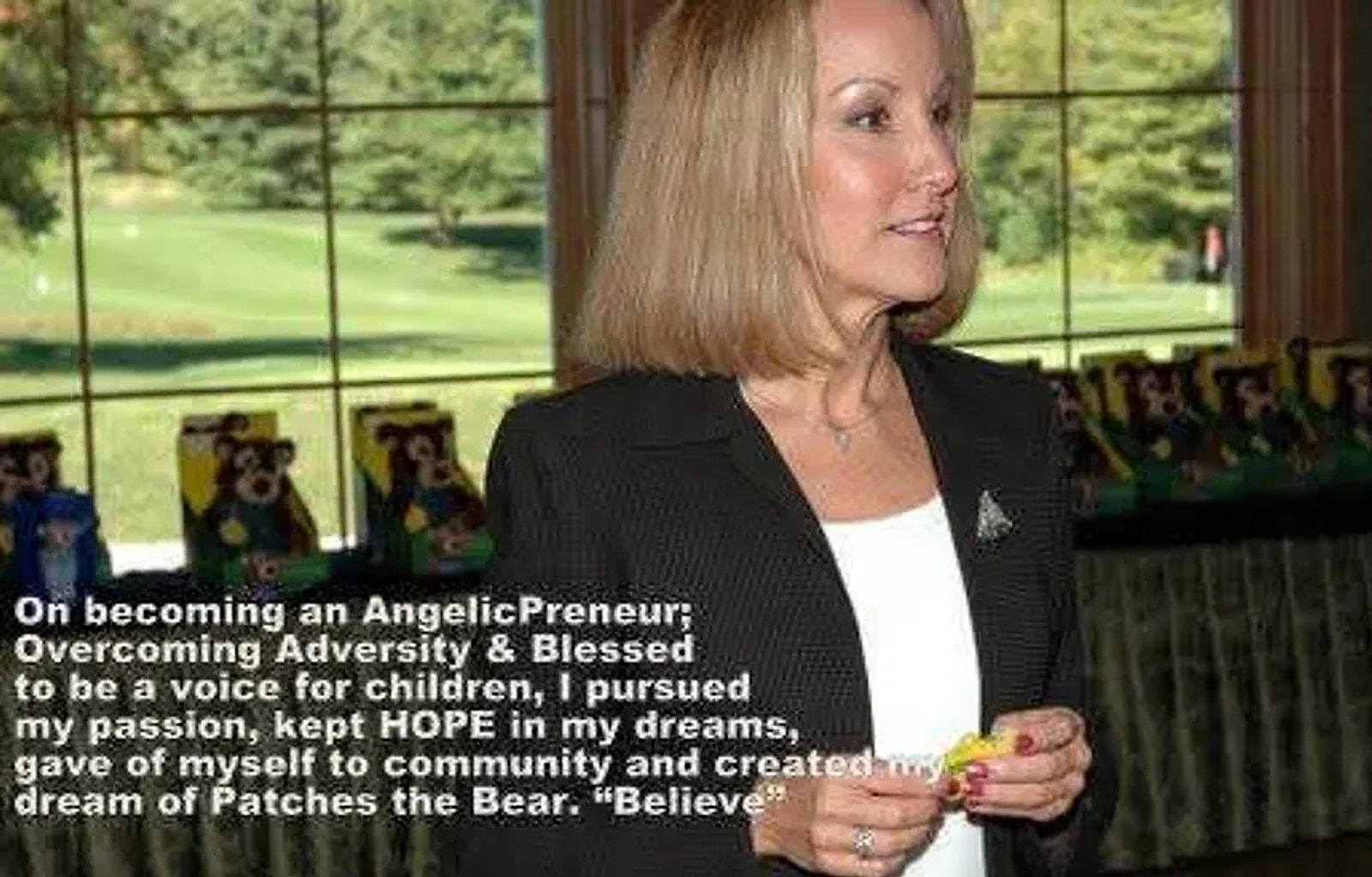
Helping Children Name Their Feelings
A child may be laughing one moment and suddenly become quiet, frustrated, or tearful the next. When an adult asks, "What's wrong?" the answer is often, "I don't know." That response does not always mean the child is refusing to communicate. Many children genuinely do not yet have the words to explain what is happening inside them.
Lorem ipsum dolor sit amet, consectetur adipiscing elit, sed do eiusmod tempor incididunt ut labore et dolore magna aliqua. Ut enim ad minim veniam, quis nostrud exercitation ullamco laboris nisi ut aliquip ex ea commodo consequat. Duis aute irure dolor in reprehenderit in voluptate velit esse cillum
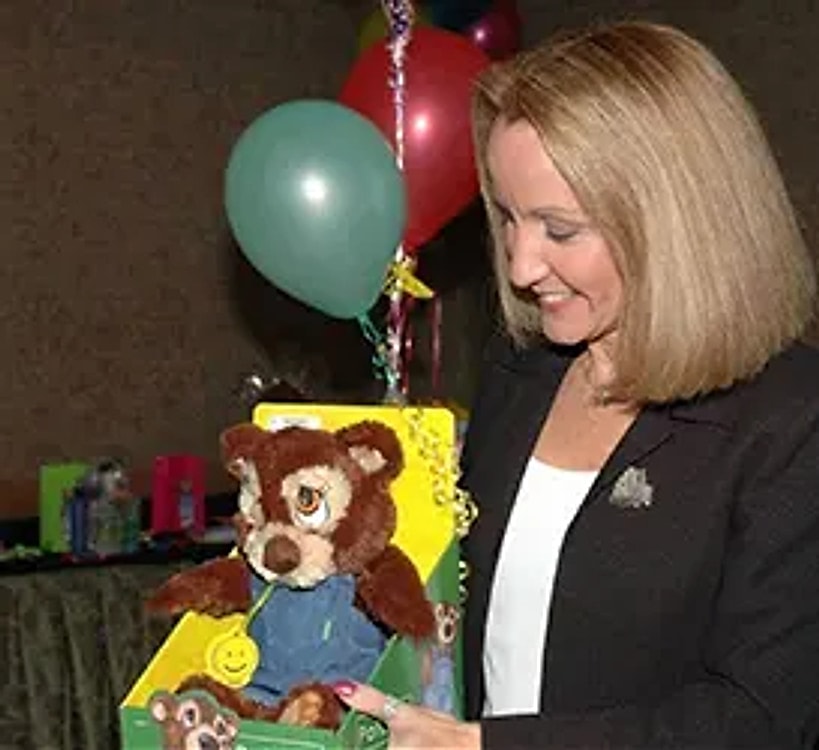


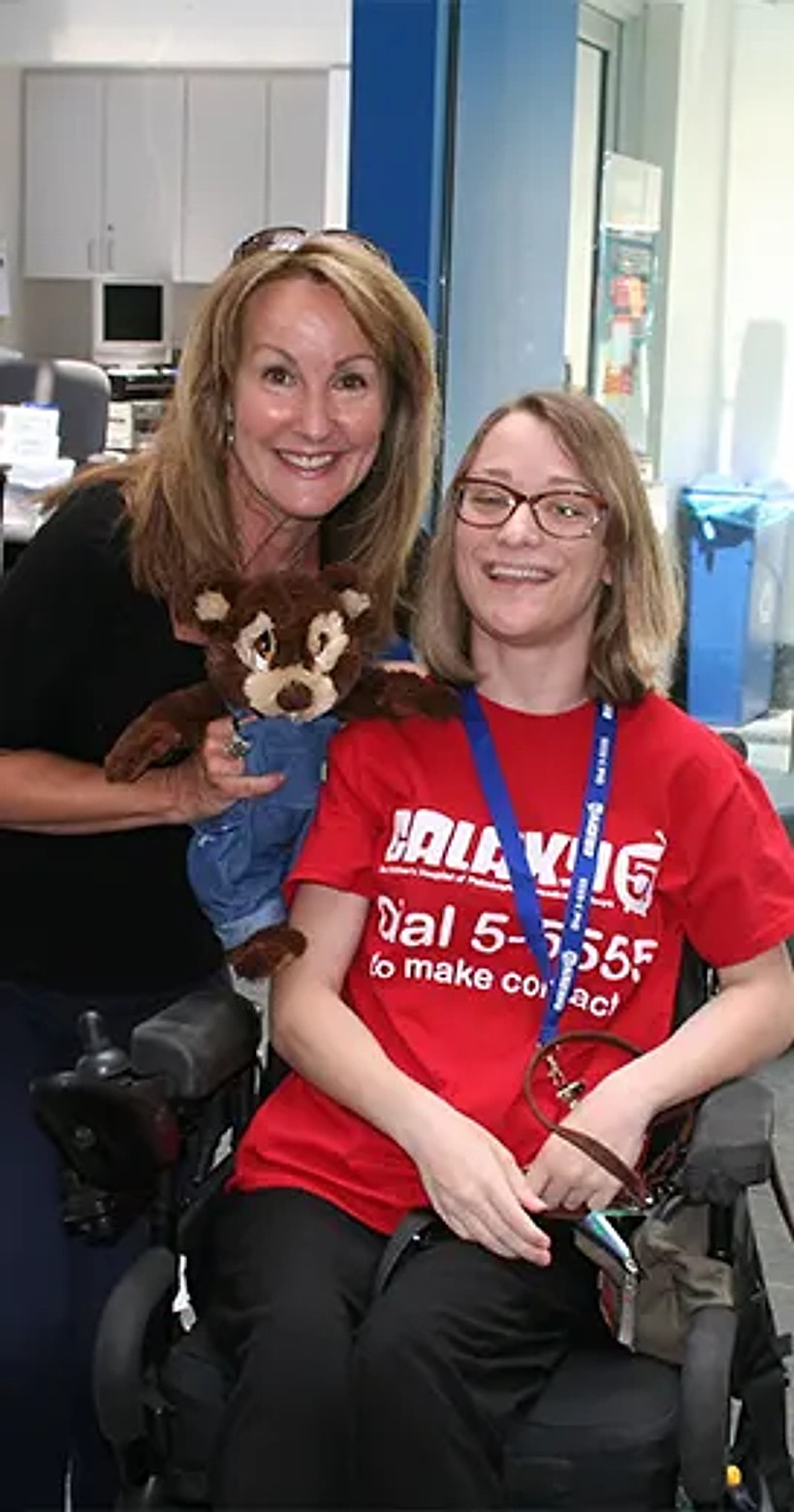
Learning to name feelings is a skill, just like learning to read, tie a shoe, or solve a problem. It develops through patience, practice, and caring support. When children can identify an emotion, they are better able to communicate what they need, understand their reactions, and feel less overwhelmed by the experience.
Why Naming Feelings Matters
Emotions can feel confusing when they arrive all at once. A child might be angry because a game ended, sad because a friend walked away, and afraid that the friendship is over. Without the language to separate those feelings, the entire experience may come out as crying, shouting, withdrawing, or refusing to participate.
Naming an emotion gives the child a starting point. Saying "I feel frustrated" is different from believing "Everything is bad." Saying "I feel left out" creates an opportunity for comfort and problem-solving. The feeling is still real, but it becomes easier to understand.
This is at the heart of P.A.T.C.H.E.S. & the Feelings Tree. P.A.T.C.H.E.S. meets ten Feeling Faces that represent Happy, Sad, Frustrated, Angry, Hurt, Yucky, Cool, Afraid, Fluttering, and Hope. They help him recognize what he feels and remind him that more than one emotion can be present at the same time.
Begin With Observation, Not Assumption
Adults can help by gently noticing what they see without deciding the child's feelings for them. Instead of saying, "You are angry," try, "Your voice became louder and your hands are tight. I wonder what you might be feeling."
This gives the child room to think. They may agree, choose a different word, or say they are unsure. All three responses are useful. The goal is not to guess correctly. The goal is to help the child become curious about their own emotional experience.
Offer Simple Choices
A long list of emotion words can be overwhelming, especially for younger children. Begin with two or three possibilities: "Do you feel sad, frustrated, or worried?" Visual tools, story characters, and emotion faces can make this process easier because children can point before they are ready to explain.
Over time, their emotional vocabulary can expand. "Mad" may become annoyed, disappointed, jealous, or frustrated. "Scared" may become nervous, uncertain, startled, or unsafe. Each new word gives the child a more accurate way to describe what is happening.
Connect Feelings To The Body
Children often notice an emotion in their bodies before they can name it. A worried child may feel butterflies in the stomach. Anger may feel hot, tight, or full of energy. Sadness may feel heavy or quiet.
Ask gentle questions such as, "Where do you feel it in your body?" or "Does the feeling seem big, small, fast, or heavy?" These questions make emotions more concrete and help children recognize early signals before feelings become too intense.
Make Every Feeling Welcome
Children need to know that feelings are not good or bad. Actions may need limits, but emotions deserve understanding. A child can be angry without being allowed to hit. A child can be disappointed without being ungrateful. A child can feel afraid and still take a brave next step.
Validation can be simple: "That makes sense," "I can see why that hurt," or "You are allowed to feel disappointed." When children feel accepted, they are more likely to stay connected and communicate honestly.
Model The Language Yourself
Children learn emotional vocabulary by hearing adults use it naturally. A caregiver might say, "I feel frustrated because we are running late, so I am going to take a breath and slow down." This shows that emotions can be named and managed without shame.
The goal is not to create perfect emotional conversations. It is to make feelings part of everyday family language. With time, children begin to understand that emotions are messages, not emergencies. They can notice them, name them, talk about them, and ask for support.
When a child finds the words for a feeling, they also find a path toward connection. That is the gift behind P.A.T.C.H.E.S.: helping children understand what is in their hearts and reminding them they never have to face those feelings alone.

Kathylee Forrester
AuthorKathylee Forrester is the creator of P.A.T.C.H.E.S. For more than two decades she has worked alongside children, families and caregivers, helping young people find words for what they feel and reminding them that hope belongs in every story.
Comments
Post a Comment
Kathylee Forrester
AuthorRecent Posts


September 2, 2026
Helping Children Through Big Changes

August 28, 2026
Why Every Feeling Deserves To Be Heard
July 27, 2026
When Words Are Hard To Find
Tag Cloud

Marcus Webb
Modelling the language myself was the hard part. Reading that it does not have to be perfect helped more than anything else here.
Priya Raman
Useful, though I would have liked a little more about children who are not verbal at all yet.
Daniel Osei
I am a year one teacher and I read this to my teaching assistant. We have started using the observation wording rather than naming the feeling for them.