
Blog Details

17June
Helping Children Name Their Feelings
Simple ways to help children recognize emotions, build a feeling vocabulary, and express what is happening inside with greater confidence.
Lorem ipsum dolor sit amet, consectetur adipiscing elit, sed do eiusmod tempor incididunt ut labore et dolore magna aliqua. Ut enim ad minim veniam, quis nostrud exercitation ullamco laboris nisi ut aliquip ex ea commodo consequat. Duis aute irure dolor in reprehenderit in voluptate velit esse cillum
A feeling that has a name is easier to manage. Children who can say “I feel frustrated” are far less likely to act out that frustration in other ways.
Build a feeling vocabulary the same way you build any other: a little every day. Name feelings in stories, in play, and in your own day (“I felt nervous before my meeting”), and invite your child to do the same.
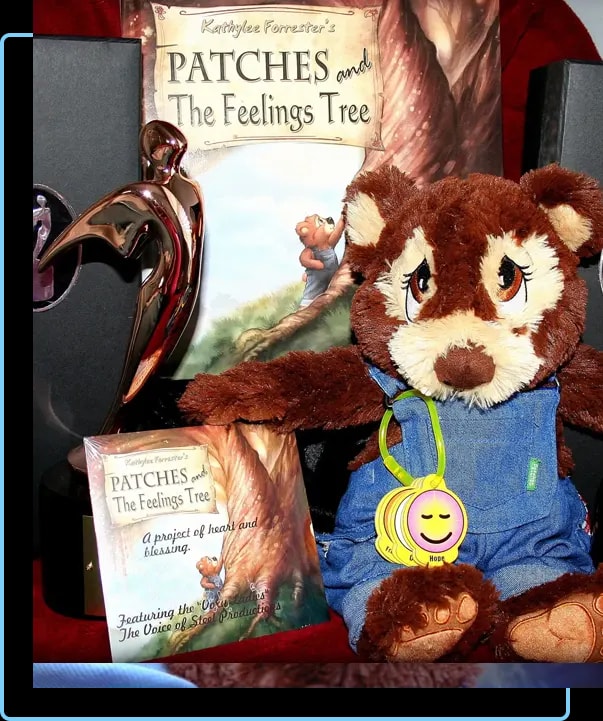
With ten Feeling Faces, P.A.T.C.H.E.S. gives children a ready-made word bank. Happy, sad, frustrated, angry, hurt, cool, yucky, fluttering, afraid, and hope cover much of what a young child feels in a day.

Kathylee Forrester
AuthorKathylee Forrester is the creator of P.A.T.C.H.E.S. For more than two decades she has worked alongside children, families and caregivers, helping young people find words for what they feel and reminding them that hope belongs in every story.
Comments
Post a Comment
Kathylee Forrester
AuthorRecent Posts

June 30, 2026
Helping Children Through Big Changes
June 28, 2026
Why Every Feeling Deserves To Be Heard
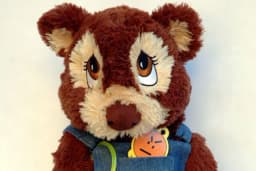
June 27, 2026
When Words Are Hard To Find
Tag Cloud

Nadia Faris
"Validation is not agreement" is going on our fridge. That sentence ended an argument I have been having with myself for a year.